Why the Pakistan-Afghanistan Border Ceasefire is a Crucial Political Test
Politics InternationalPosted by admin on 2025-10-16 12:36:27 | Last Updated by admin on 2026-01-07 09:30:05
Share: Facebook | Twitter | Whatsapp | Linkedin Visits: 338
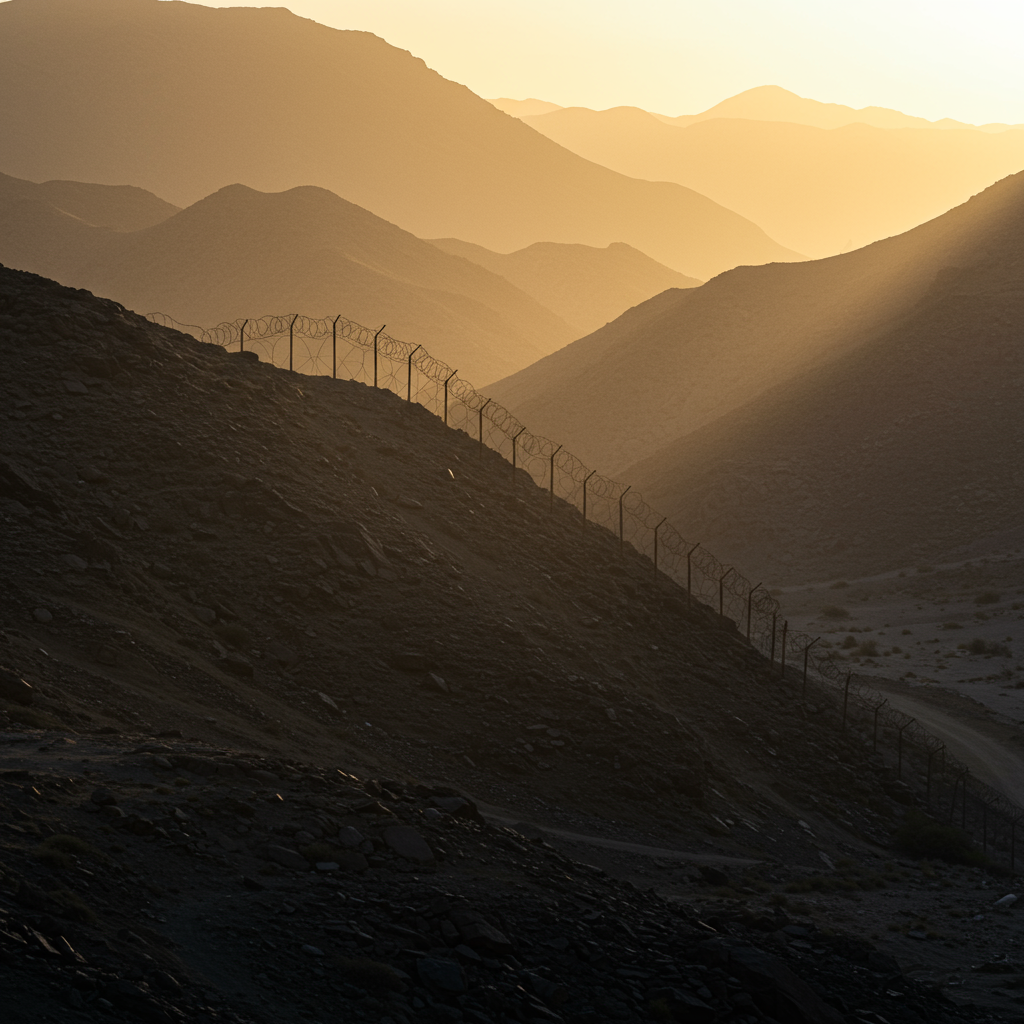
The air along the Pakistan-Afghanistan border has been thick with tension for many days. Deadly clashes have broken out again. The news has been full of reports about soldiers and civilians getting hurt. This is a very serious problem that affects the daily lives of people on both sides of the line. Luckily, there is a small bit of good news today: a temporary ceasefire has been agreed upon.
This 48-hour pause in fighting started late on October 15, 2025. It is a moment for everyone to take a deep breath. It is a chance for the two governments to talk and try to find a real, lasting solution. This issue is not just about a few gunshots. It is a deep political and security challenge for Pakistan. It involves terrorism, land disputes, and complicated history. Understanding this situation is vital for every citizen. We must know why this border is always on fire and what the political leaders plan to do next.
**What Caused the Latest Fighting?**
The reason for the most recent and dangerous fighting is an old problem: the presence of militant groups. The biggest one is called the Tehreek-e-Taliban Pakistan, or TTP. This group is an enemy of the Pakistani state. It has been responsible for many deadly attacks in Pakistan over the last few years.
Pakistan has made a clear claim. It says that the Afghan Taliban, who now run Afghanistan, are giving a safe place to TTP leaders and fighters. This means the TTP can easily cross the border to attack Pakistani targets and then run back to Afghanistan. This is a huge security risk. Pakistan’s patience finally ran out. Early on October 9, 2025, Pakistan reportedly launched airstrikes into Afghan territory. These strikes hit areas like Kabul, Khost, and Paktika. The goal was to target the Pakistani Taliban, the TTP.
The Afghan government did not like this action. They called it an attack on their land. In return, the Afghan Taliban forces responded with heavy firing along the border. This led to the deadly clashes we have seen. The short ceasefire is simply a pause in this back-and-forth fighting. It is an effort to stop the violence from getting worse.
**A Look at the Political Tool: The Ceasefire**
The 48-hour ceasefire is a clear sign that neither side wants a full-scale war. It is a political tool. Pakistan’s government confirmed the truce. They said both sides will "sincerely strive" to find a positive solution to the problem. They agreed to try and fix the issue through talks.
This truce is a test. It tests the ability of leaders on both sides to control the situation. It tests their willingness to sit and talk, even after a very tense and violent period. For Pakistan, the goal of these talks is very simple: The Afghan Taliban must stop giving shelter to the TTP. If the TTP can no longer use Afghanistan as a safe base, the terrorism problem in Pakistan will lessen.
However, resolving this is not easy. The relationship between the two countries is very complex. The Afghan side sees the TTP through a different lens than Pakistan does. Also, the border itself is an old source of anger.
**The Historical Wound: The Durand Line**
To understand why the border issue is so complicated, we must look at history. The border between Pakistan and Afghanistan is called the Durand Line. It is about 2,640 kilometers long. It was created a very long time ago in 1893 by a British man named Sir Mortimer Durand. He was the Foreign Secretary of British India at the time.
Afghanistan has never fully accepted this border as final. Many Afghan Pashtuns, a major ethnic group that lives on both sides, see the Durand Line as a "historical wound." The border was drawn by a foreign power. It cut through communities and families. This lack of acceptance has caused trouble for more than a hundred years. Even after Pakistan was created in 1947, the issue did not go away.
Today, the situation is even harder because of this history. When Pakistan tries to manage the border, like building fences, the Afghan side often objects. They do not fully agree on where the line truly is. This old difference of opinion adds more fuel to the security fire. It makes it very hard to stop militants from moving back and forth. This historical problem is a constant challenge for the political leaders of Pakistan.
**The Domestic Political Pressure on Pakistan’s Government**
The border crisis is not just a foreign policy problem. It is a major domestic political issue inside Pakistan. When soldiers and civilians are killed in border attacks, the government faces huge pressure from its own people. Security and safety are the top priorities.
The rise in TTP attacks has directly led to a crisis of governance. People want to know why the government cannot keep them safe. They want a clear, strong action plan. Political parties often speak out on these events, urging a swift and firm response. Even former political leaders have gotten involved. For example, the PTI chairman, while in jail, was recently quoted as offering to help solve the hostilities with Afghanistan if he were freed temporarily. This shows how central the issue is to the national political discussion.
For the current government, handling this crisis is a make-or-break moment. They must show that they can:
1. **Protect the Nation:** Ensure the security forces are strong enough to stop any attacks.
2. **Use Diplomacy:** Use the ceasefire to talk and negotiate a clear end to the TTP’s presence in Afghanistan.
3. **Ensure Stability:** Keep the country stable during this time of high risk.
If the talks fail and the TTP attacks continue, the government will be criticized heavily. This makes the next few days of the ceasefire extremely important for Pakistan’s political future.
**What Does a "Positive Solution" Look Like?**
The government has talked about finding a "positive solution." What does this really mean in simple terms? It means reaching an agreement that fixes the problem, not just delays it.
A positive solution would likely involve a few key steps:
* **Afghan Action Against TTP:** The Afghan Taliban government must take clear, visible steps to remove TTP leaders and fighters from their country. They need to show they are not giving safe havens.
* **Border Management:** Both sides need to agree on a system to manage the border together. This would reduce the chance of accidental clashes and stop militants from crossing.
* **Economic Ties:** Improving trade and economic links can encourage both sides to keep the peace. When people are making money, they are less likely to want war.
The political leaders must remember that the clock is ticking. The 48-hour ceasefire is short. It must be used wisely to start a process of serious, long-term talks.
**Looking Ahead: The Road is Long**
The current ceasefire is only a small step on a very long road. The problem of the TTP and the issue of the Durand Line will not disappear in two days. The political challenge for Pakistan is massive. The government needs to use all its diplomatic skills to make sure the Afghan side keeps its promise. They must also be ready to protect the nation if the talks fail and the violence starts again.
This political test demands wisdom and patience. Pakistan must balance a firm stance on security with a flexible approach to talks. The hope is that this new pause in fighting will lead to a clearer path. It is a path towards lasting security and a more peaceful border for the people of both nations. The world is watching to see if political dialogue can finally overcome the long history of conflict. For Pakistan, the stability of the entire region depends on the success of these crucial political efforts. This is the biggest political story in the country right now, and it needs everyone's attention.
Search
Recent News
- Jasprit Bumrah ruled out of England T20I series due to injury
- Tata Steel, Thyssenkrupp Finalise Landmark Steel Deal
- UNs Jean Pierre Lacroix thanks India for contribution to peacekeeping
- Shah holds meeting with NE states leaders in Manipur
- T20 World Cup 2021: Semi-final 1, England vs New Zealand – Who Said What
- Its cheap Will it have a big impact on your life?
- The Big Shift: Why US Tech is Booming with AI But Still Cutting 180,000 Jobs
- The M5 Chip Has Arrived! A Simple Look at the New Apple iPad Pro
Popular News
- Why the Pakistan-Afghanistan Border Ceasefire is a Crucial Political Test
- A Great Leap Forward: Protecting 13 Million Girls with Pakistans New Cancer Vaccine
- The M5 Chip Has Arrived! A Simple Look at the New Apple iPad Pro
- Top 10 Micro Task Platforms to Start Earning Instantly
- The Global Economy Jitters: Simple Talk on $110 Oil and Trade Tensions